
Explainer video #01.04.01
Collection #01
Unstable Systems
The collection “Unstable Systems” is essentially about one core question:
How do systems become unstable while still appearing functional?
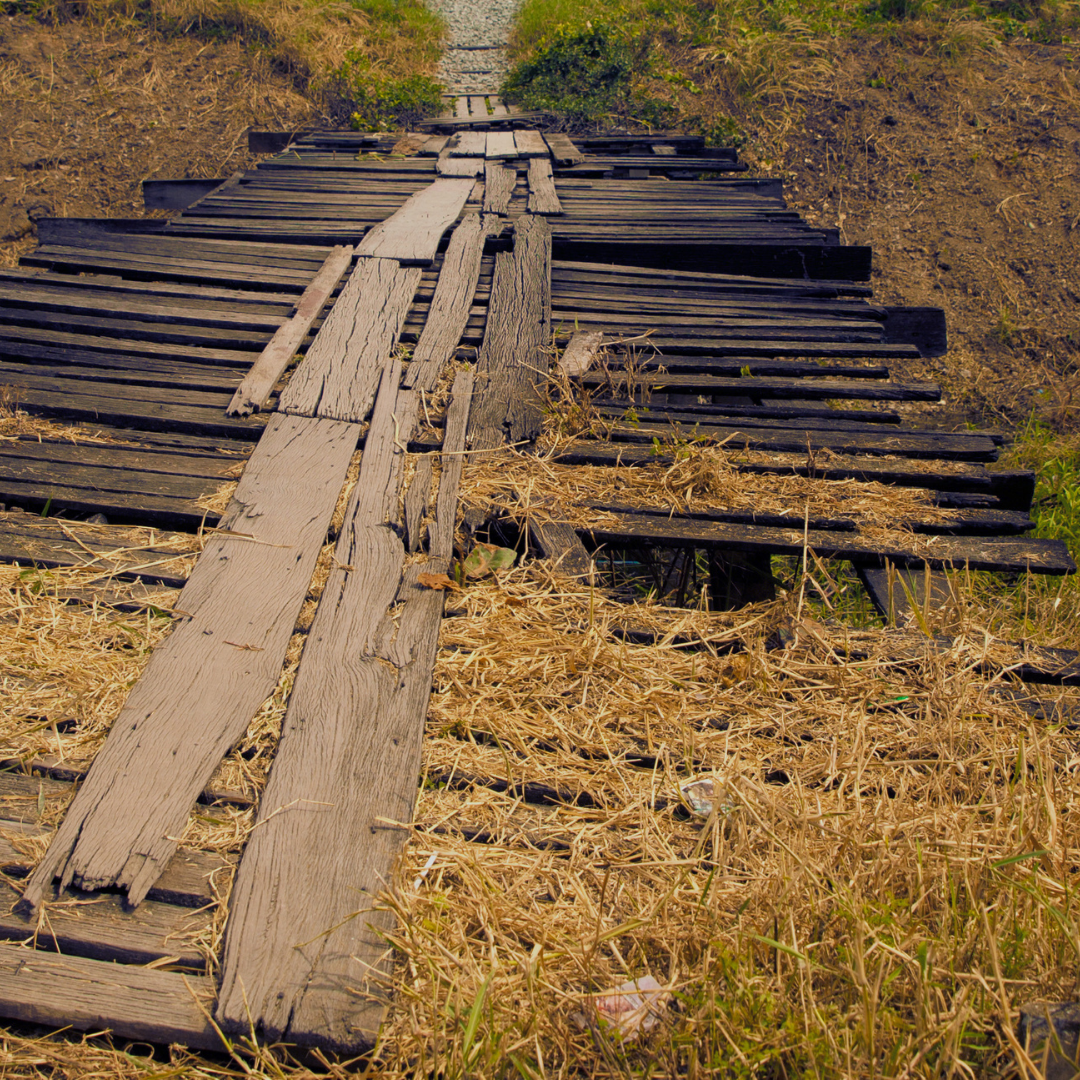
Unstable systems are organizational environments that remain seemingly functional while gradually losing their ability to absorb pressure, adapt coherently, or maintain long-term structural integrity.
As instability deepens, systems often adapt locally in ways that preserve short-term functioning while increasing long-term fragility. This creates the illusion of stability precisely when systems are becoming more vulnerable.
Many strategic challenges are not isolated problems but symptoms of systems operating near the limits of their adaptive capacity.
As instability deepens, systems often adapt locally in ways that preserve short-term functioning while increasing long-term fragility. This creates the illusion of stability precisely when systems are becoming more vulnerable.
Many strategic challenges are not isolated problems but symptoms of systems operating near the limits of their adaptive capacity.
In this collection:
Research objects exploring system drift, false stability, adaptive fragility, delayed consequences, and the hidden tensions preceding systemic change.
Examples #01.02.1-4
Manifestations
Common ways instability shows up across systems, sectors, and scales.

Resource Strain
Demand outpaces regenerative capacity, increasing structural pressure over time.
Examples:
✔️ groundwater depletion
✔️ housing shortages
✔️ power grid strain
Examples:
✔️ groundwater depletion
✔️ housing shortages
✔️ power grid strain
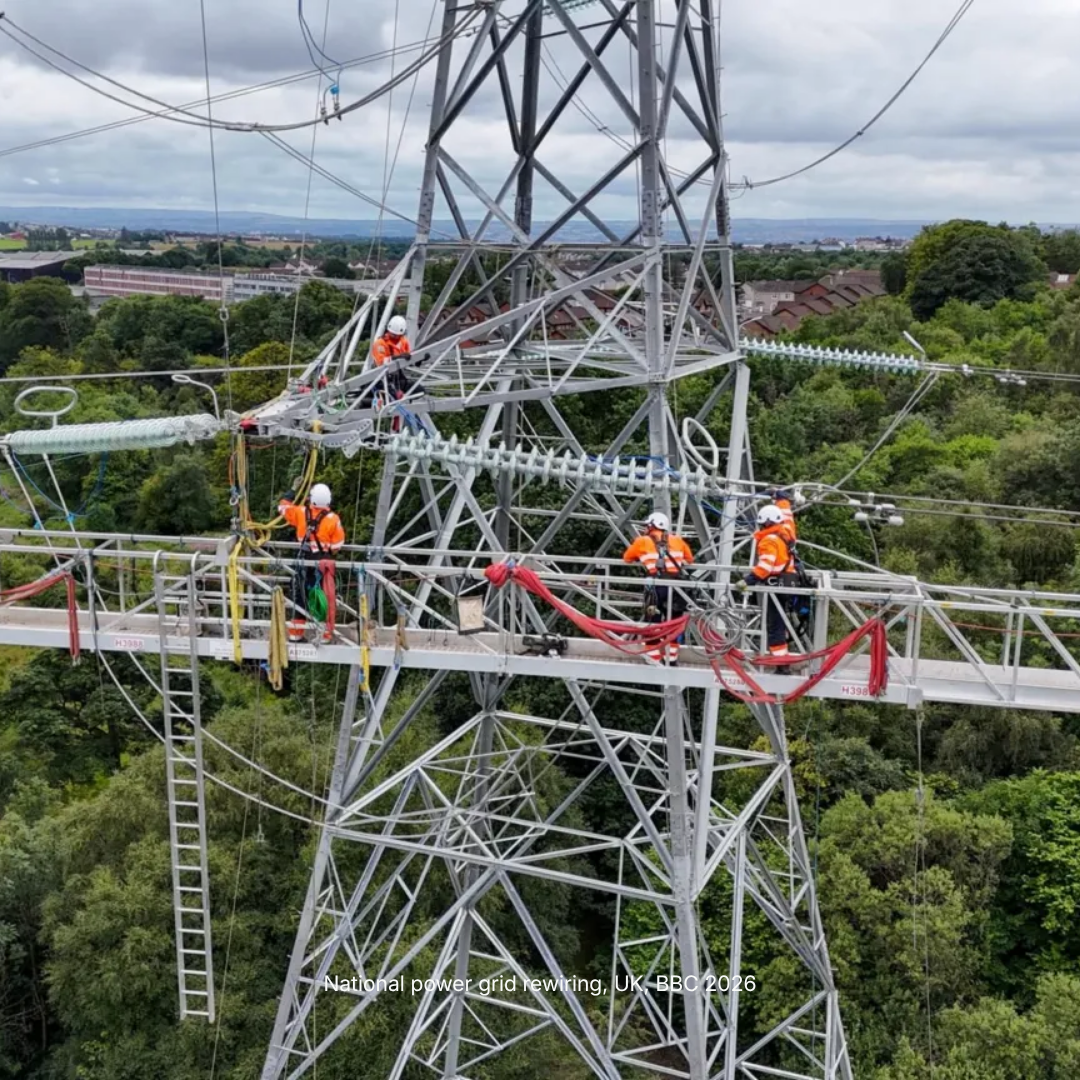
Congestion
Flows exceed system capacity, creating backlogs, delays, and brittleness.
Examples:
✔️ traffic delays and maintenance backlogs
✔️ health care backlogs and demographics
✔️ power grid congestion and subsidies
Examples:
✔️ traffic delays and maintenance backlogs
✔️ health care backlogs and demographics
✔️ power grid congestion and subsidies
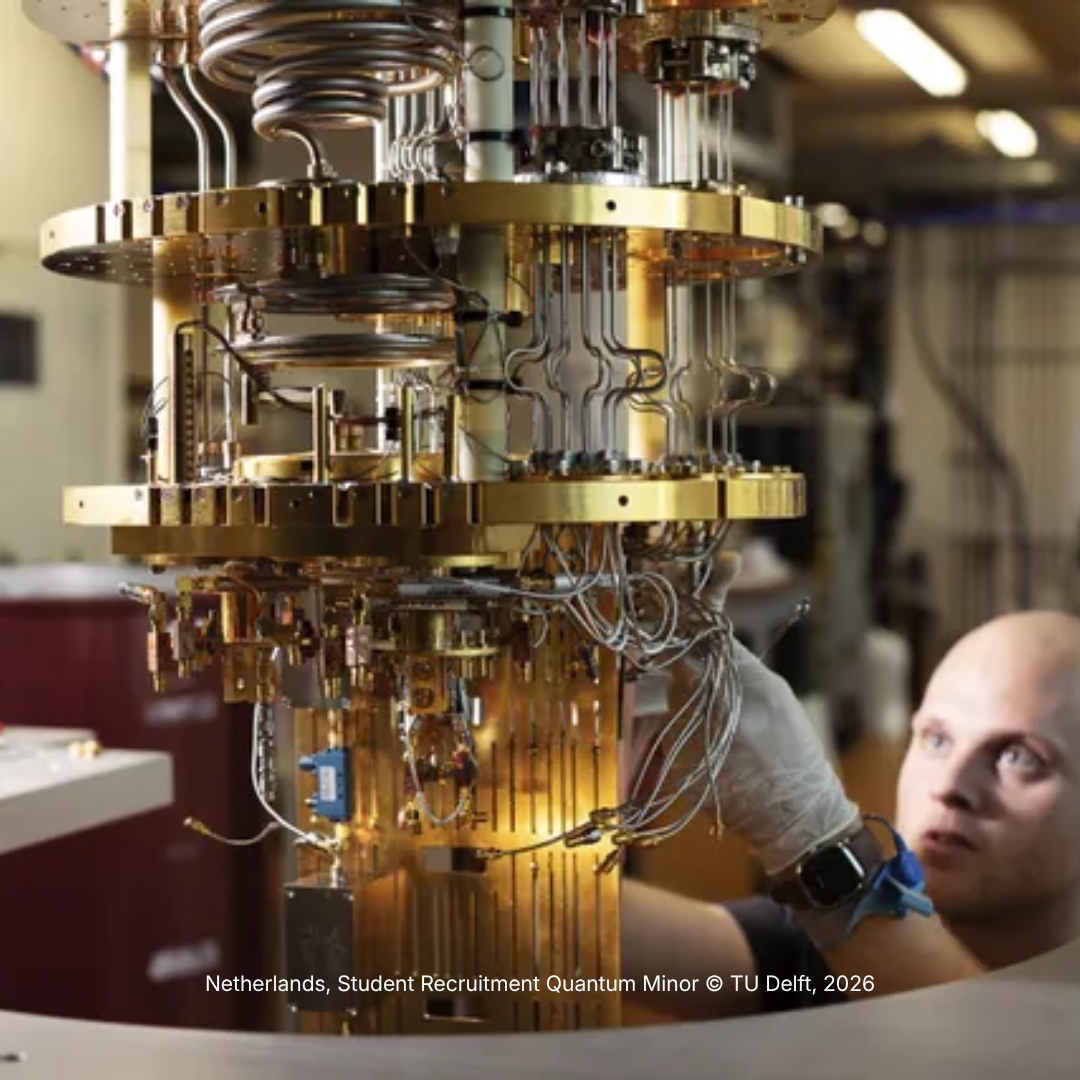
Structural Gaps
Missing buffers and capabilities leave systems exposed to disruption.
Examples:
✔️ ICU capacity before and after the pandemic
✔️ Critical skills in emerging technologies
✔️ Weak data infrastructure and hacks
Examples:
✔️ ICU capacity before and after the pandemic
✔️ Critical skills in emerging technologies
✔️ Weak data infrastructure and hacks
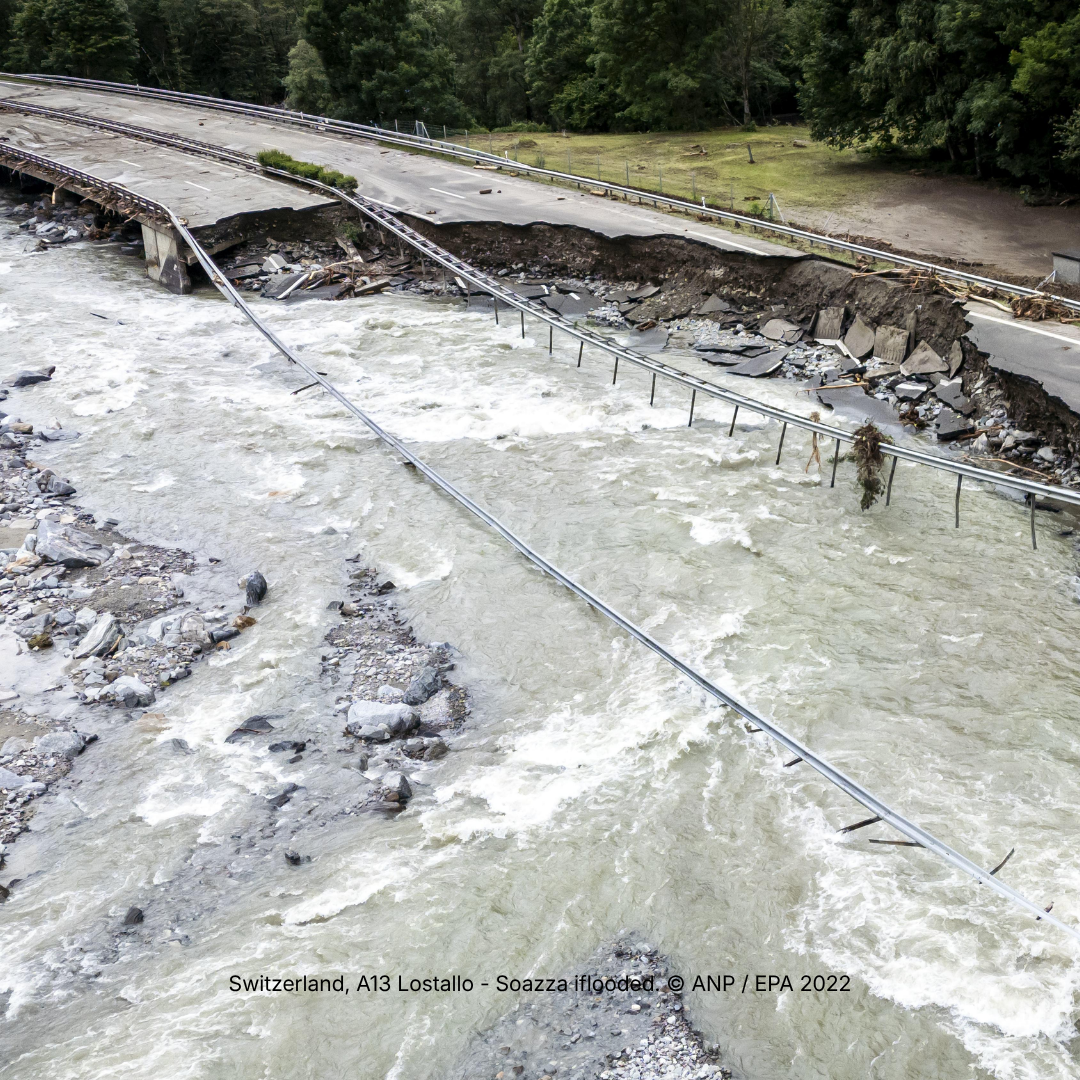
Rising Volatility
Small fluctuations grow in magnitude and frequency, reducing the reliability of the system
Examples:
✔️ Climate change & flooding
✔️ Energy price volatility
✔️ Information bubbles and polarization
Examples:
✔️ Climate change & flooding
✔️ Energy price volatility
✔️ Information bubbles and polarization
Flashcards #01.03
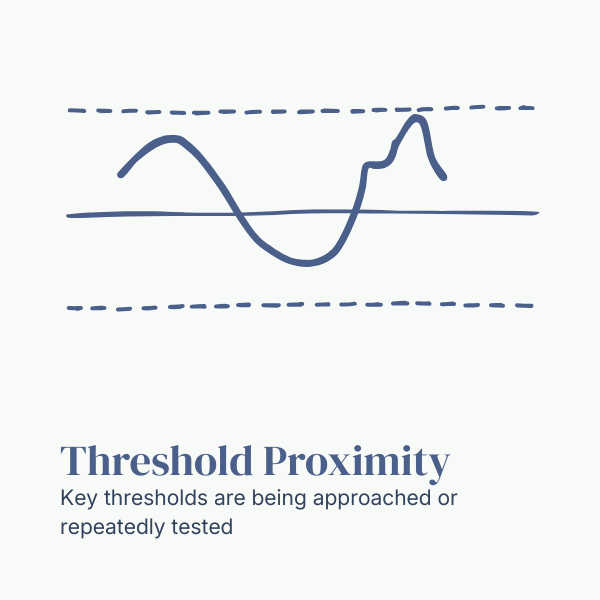
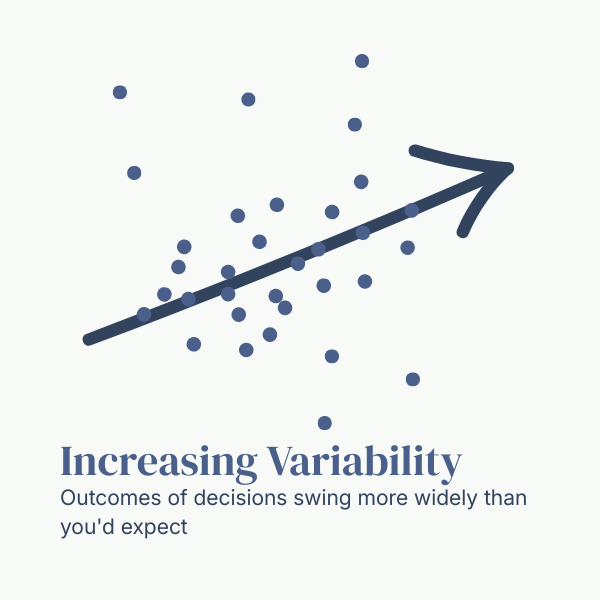
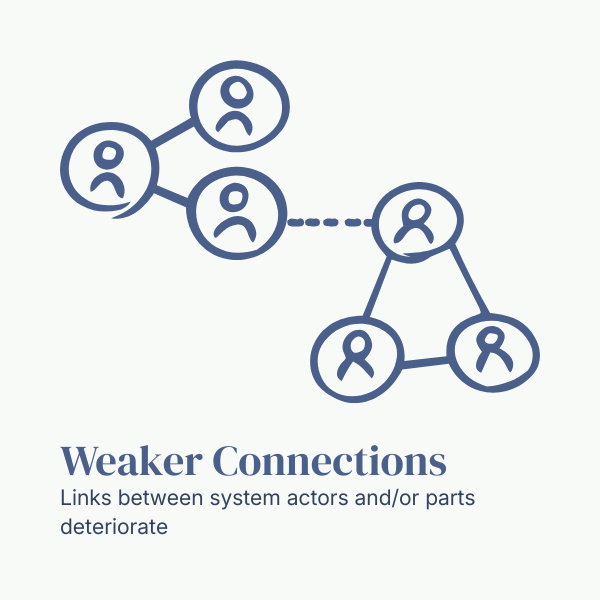
Weak Signal Types to Look For
Swipe to see some early indicators that instability is accumulating in the system.
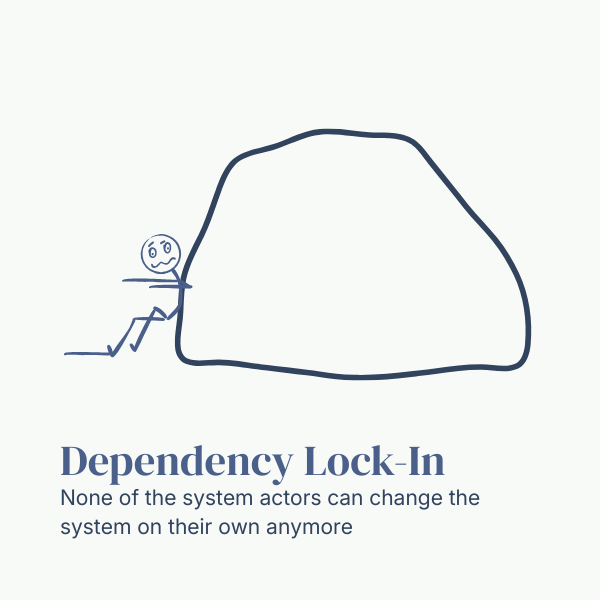
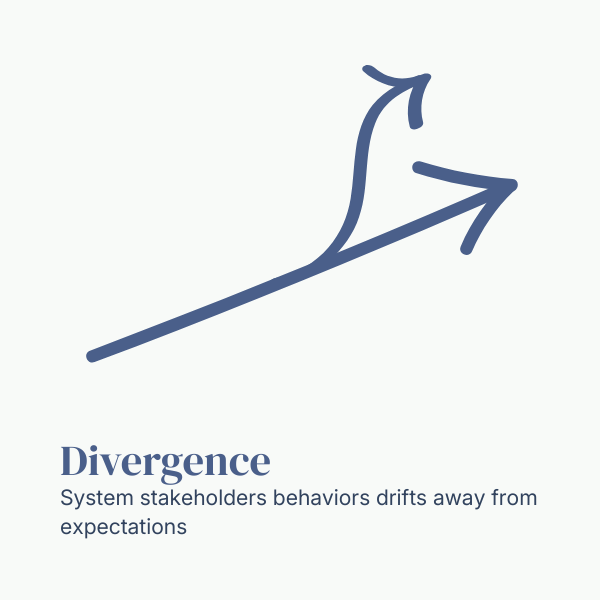

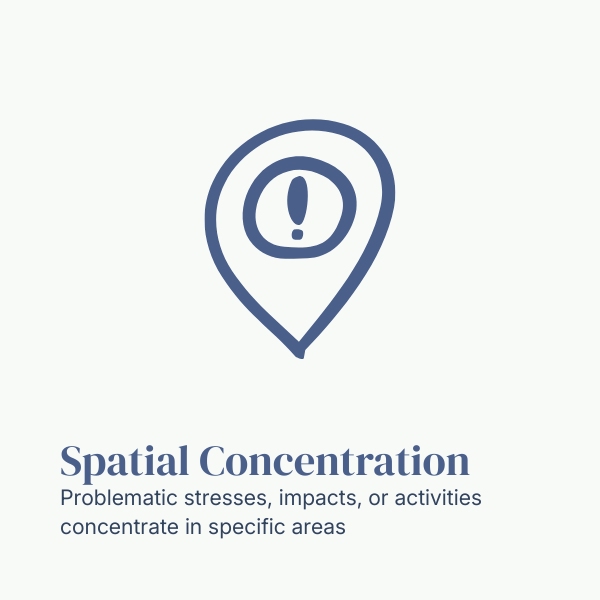
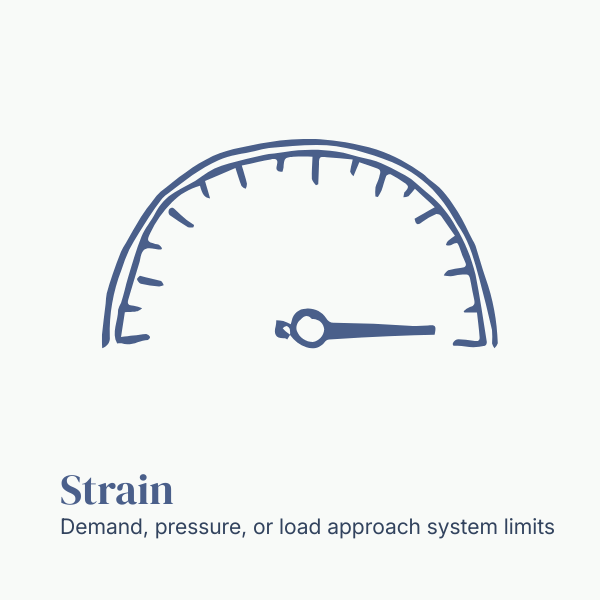

Concept Cards #01.01.01-04
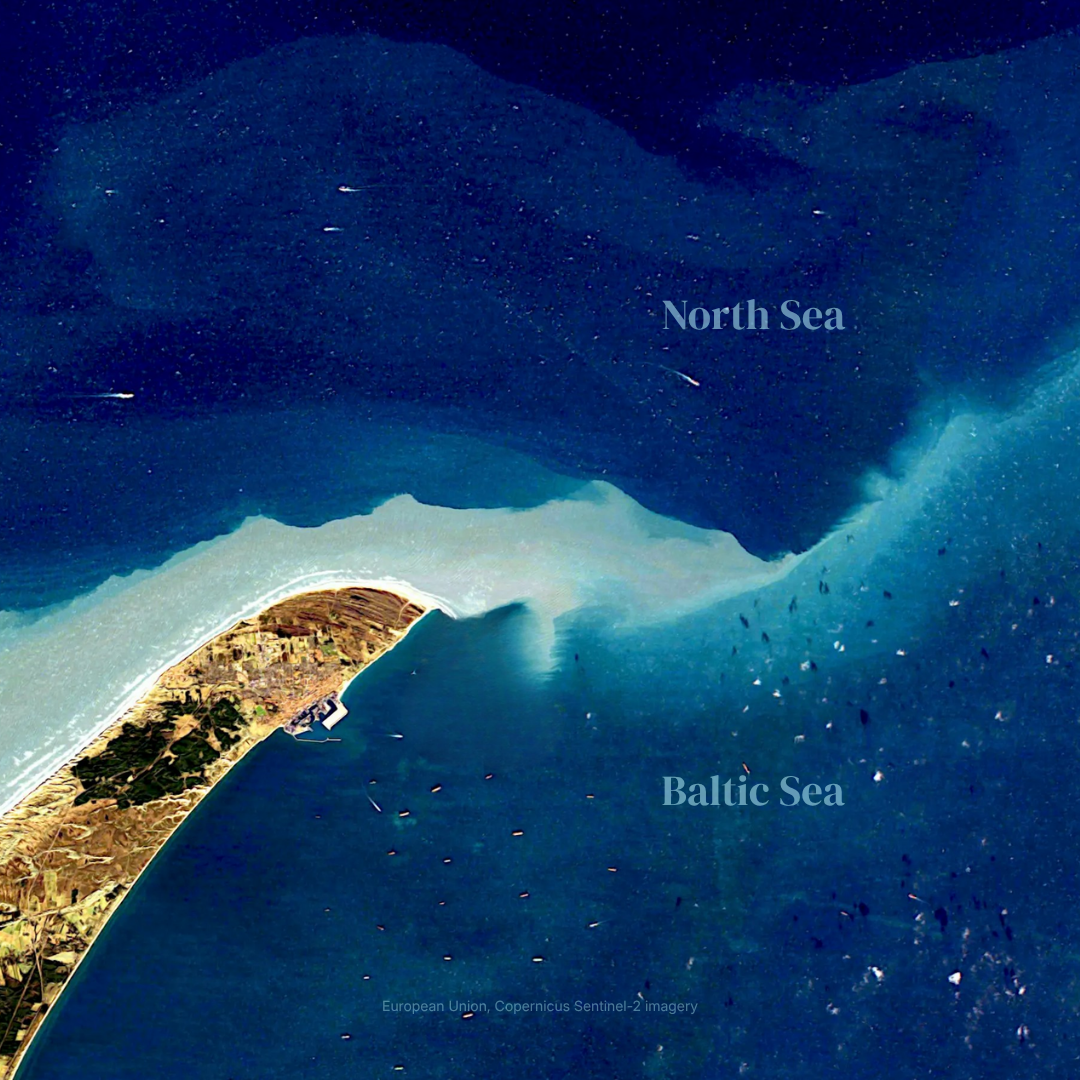
Core Dynamics
Recurring dynamics shape how systems absorb instability until something gives. Here are four of them.


Exercise #01.06.01
Field Observation
Use this week to observe these core dynamics in your organization's environment (its system).
Explainer video #01.04.02
Fieldnote (to consider) #01.05.10
Strategic failure often begins with solving problems in isolation rather than taming the big picture
Exercise #01.06.02
Scenario Thinking
Think about your organization's context and market (its system). Imagine the year is 2032.
For years, the system worked exactly as expected.
Then several small disruptions started interacting with each other (see example block).
Nothing collapses overnight, but the system becomes harder to predict.
For years, the system worked exactly as expected.
Then several small disruptions started interacting with each other (see example block).
Nothing collapses overnight, but the system becomes harder to predict.
--> What changes would most people notice too late?
Example Block
Combine at least two disruptions:
- Energy prices remain structurally volatile
- AI automates part of the workforce faster than expected
- Extreme weather disrupts logistics several times per year
- Younger workers avoid certain sectors
- Infrastructure investments lag behind demand
Applying These Ideas
The concepts in this collection have been used in executive education, technology foresight projects, innovation ecosystem studies, and strategic decision-making exercises.
Learn more about:
Learn more about: